How To Open a Pub or Bar in the UK in 2026
The music, the hum of cheerful chatter, the lovely liquids pouring out of the taps behind the bar: given how many people spend their spare time here, is it any wonder that so many entrepreneurs make their living in such wonderful places?
The UK has a particularly pub-oriented culture, with roughly 42,000 pubs operating nationwide. When MORI polled people who go to pubs, 70% of them reported themselves as being happy, with only 13% of them saying they are unhappy in life, indicating that the pub plays at least some part in that happiness! 47% of pub operators are expecting this positive atmosphere to translate into increased footfall in the next year, too.
So, in 2026, the pub and bar industry is a great place to be. That’s why today, we’re looking at the right way of opening a pub UK-wide in 2026, breaking everything down into a step-by-step guide. We’ll look at:
-
UK Pub Market Overview 2026
-
Choose your pub concept
-
Create your business plan
-
Licensing and legal requirements
-
Choosing a business model
-
Securing funding
-
Finding a business location
-
Design and fit out your pub
-
Set up operations and technology
-
Hire and train staff
-
Market your pub launch
-
Understanding costs
-
Common challenges and how to overcome them
By the time you’re done here today, you’ll know each step you need to take to get your pub or bar open and on the road to success! So without any more delay, let’s put our best foot forward and get started!
UK pub market overview for 2026
The UK pub and bar market was valued at roughly £24.1 billion in 2025, a figure few entrepreneurs would scoff at. Industry forecasts predict modest growth in 2026 as people are likely to spend more per visit, though experts predict slightly fewer visits. Nevertheless, when people eat out, it’s most likely they’ll be heading to pubs and bars, as they remain the firm favourite social spot for the average Brit.
What’s reassuring for publicans in 2026 is the loyalty of consumers. Once someone likes your pub, they’ll keep coming back! Brew’s pub report indicates that over a third of pub-lovers go at least once a week (many multiple times), and those that don’t still tend to go a couple of times each month. And if you’re not sure where you want to position yourself in the market, there’s plenty of diversity, from local pubs, gastropubs, craft pubs, wine bars, taprooms, and more, all still flourishing while heading into 2026.
The stats show there’s still plenty of money to be made, too. The average profit margin for a pub or bar is currently estimated at 10-15%, with wet sales typically more profitable than dry. But many factors influence this figure, from your concept and service quality to efficiency and costs, to location and local competition.
Step 1: Choose your pub concept
If you’ve only just decided that you want to open a pub or bar, the first point of lift off is narrowing down your goal from the vague idea of a hospitality business to a specific and concrete concept. This idea will shape everything that follows and direct your thinking as you progress through the planning and execution.
So let’s focus on the specific type of pub or bar you want to open. Your first thought may be a traditional pub, with familiar, rustic design, a focus on community, and a core, fairly reliable drinks menu. On the other hand, gastropubs lean towards the dry, food-oriented side of the menu, looking to profit from both drinks at the bar and a busy, bustling kitchen.
Other forms your business could take include craft bars, with their refined taste for special brews, wine bars which take a similar approach but with a red, white, and rose, and sports bars, which focus on hosting events on big screens, such as busy match days and tournament periods. But the bar industry is by no means limited to these types of venues. From gay bars to Irish bars to karaoke bars, your theme is only as limited as your imagination, and being bold with your concept can often pay off in a big way.
One of the big decisions you’ll need to make early on is whether you want to lead with your wet or dry menu. A drinks-only bar may benefit from higher profit margins and can be simpler to run, but it may be more difficult to bring people in during quiet periods, leaving the business a little more vulnerable to the natural fluctuations and seasonal changes in the industry. Food-oriented businesses, on the other hand, can have higher costs in terms of supplies, staff, and equipment, but can attract a wider range of clientele that can be more loyal.
Target Audience, Branding, and Research
As you think about your concept, it’s essential to also think about your target audience.
Your target audience could be students (who buy lots of cheaper drinks), local regulars, classy professionals, tourists, or families. Each group has different values so you can target more than one group, but it’s important to think about what your target group/s like as you design and plan your business. This includes factors like pricing, decor, quality, events and entertainment, and service styles.
When you have a target audience in mind, you can start expanding your concept to include a USP (unique selling proposition). This is one of the most important aspects of your planning as it’s the unique flavour your business will have. Your USP could be as simple as the convenience of your location, and for many pubs, that works. Whatever you fix on, from specialist cuisine to themed decoration, you can build your brand around it.
Finally, refine your ideas with market research. This is about checking on the competition, local demographics and their spending habits, and envisioning how you might fit into that market to make sure your business fits into a gap. The best pub concepts don’t tend to reinvent drinking. They simply deliver exactly what their audience wants, in a better way than the other pubs.
Step 2: Create a business plan
Business plans are essential when setting up any enterprise. They take the abstract ideas, the hopes and the expectations, and turn them into a structured roadmap you can follow as you progress through the stages of setting up and growing a business.
To create your plan, you’ll need an executive summary (outline and key details), your market analysis (looking at the target audience and local competition assessment), market strategy (How you plan to market your business?), operations plan (When do you open? How many of what types of staff, supply plans?), and financial plan (Where are you sourcing your money and what are you spending it on?).
The financial plan is a big part of the business plan, featuring difficult figures like revenue projections, which can be hard to calculate accurately but are used to make decisions on spending. You can make your projections based on factors like revenue capacity, opening hours, average spend per customer, and anticipated footfall, which you can calculate using the figures from similar venues to yours, rather than making guesswork.
You should also include a break-even analysis which tells you how much you need to be making before you start turning a profit. A break-even analysis is the amount of revenue needed to cover your rent, wages, supply cost, utility bills, and other miscellaneous payments the business needs to make.
A clear, evidence-based business plan reduces risk, highlights weak spots early, and greatly improves your chances of long-term success.
Step 3: Understand licensing & legal requirements
Any new business needs to be up to date with licensing and registration. It avoids unnecessary expenses from hefty fines and loss of reputation, but it can be tricky to know what’s needed.
Firstly, you’ll need to learn about the UK Licensing Act of 2003. This determines how and when you can sell alcohol and provide entertainment on your premises. It also guides publicans to certain authorities where they can get other licenses that allow them to offer entertainment, play music, sell alcohol, and stay open late.
Key licences and permits for pubs and bars
Premises Licence
-
Required for any venue selling alcohol or offering regulated entertainment.
-
Fee ranges from £100 – £1,905 based on your premises’ rateable value, with an annual renewal fee.
Personal Licence
-
Must be held by the Designated Premises Supervisor (DPS) who legally authorises alcohol sales.
-
Application fee is £37, and you’ll need to complete an accredited qualification like the Level 2 Award for Personal Licence Holders (APLH); though the licence should last 10 years.
Music & Media Licences
-
To play music (live/recorded), you’ll need PPL/PRS for Music licences, typically £300 – £2,000+ per year depending on the size of your business.
-
If you broadcast TV or host events, you’ll need to check whether additional entertainment licences or society permissions are required.
Food Hygiene Registration
-
If you serve food, register with your local council at least 28 days before opening; this is free but mandatory.
Insurance & safety
Make sure you have:
-
Public liability insurance (protects against customer injuries).
-
Employers’ liability insurance (if you have staff).
-
Contents and business interruption insurance.
-
Compliance with health & safety law, fire risk assessments, and food safety standards. Regular risk assessments help keep staff and customers safe.

Step 4: Choose your business model
Another big, administrative decision to make is how you’ll structure your business. These are the options you have:
Tied House (Managed or Leased)
A tied house is linked to a large pub company or brewer, like Greene King. These usually benefit from lower entry costs, as the pub company often owns the building and can contribute to refurbishments. However, you’re “tied” to buying drinks (and sometimes other products) from the owner at set prices, which can impact long-term profitability and potential.
-
Pros: Lower startup costs, training, operational support, brand recognition
-
Cons: Higher product costs, less flexibility, tighter margins
Free house
The opposite of a tied house is a free house, which operates independently with no supplier ties. You choose your drinks, food suppliers, pricing, and branding freely, allowing you to tailor the offer precisely to your audience.
-
Pros: Full control, better buying flexibility, higher long-term margin potential
-
Cons: Higher startup costs, no built-in support, greater financial risk
Tenancy or lease
Under a tenancy or lease, you rent the pub from a company for a fixed term (often 3–10 years). You may still have some product ties, but upfront costs are usually lower than buying outright.
-
Pros: Lower capital required, with a quicker route to opening
-
Cons: Ongoing rent, limited asset ownership, less control than a freehold
Freehold purchase
You buy the freehold of a pub venue and you own the building, with prices typically ranging from £200,000 to £1m+, depending on location and size. You keep full operational freedom and benefit from property value growth.
-
Pros: Maximum control, asset ownership, long-term security
-
Cons: Very high upfront cost, with full responsibility for maintenance and risk
Management agreement
In a management agreement, you run the pub on behalf of a pub company for a salary or profit share, rather than owning the business.
-
Pros: Lowest financial risk, stable income, minimal investment
-
Cons: Limited profitability, little control, no ownership or asset growth
Choosing the right model depends on your startup capital, risk tolerance, experience, and long-term goals. It’s important to remember there’s no “best” option for everyone, but the best option for you will be the one that fits better with your starting situation and long-term ambitions.
Step 5: Secure funding
You won’t be surprised to hear that opening a pub or bar is a big investment. You need to budget, plan for expenses, and know where your money is coming from. Your costs will vary widely depending on size, location, and concept, but most pubs fall into one of these brackets:
-
Small pub or bar (£50k–£150k): Often a takeover or small freehouse. Budget for a deposit or premium on the premises, basic refurbishment, licensing fees, essential equipment, initial drinks inventory, a POS system, launch marketing, and 3–6 months of working capital to cover payroll and bills until you can start breaking even or turning a profit.
-
Medium pub (£150k–£400k): Something a little bigger will typically include more substantial renovations, perhaps a kitchen installation, higher-capacity cellars, more furnishings, expanded stock range, branding and signage, plus larger staffing and cash-flow buffers that will need to be covered as trade builds up.
-
Large pub or destination venue (£400k–£1m+): Freehold purchases or major refits can really bump up expenses. Other costs include a full design and fit-out, extensive equipment, technology, inventory, significant marketing campaigns, and even more working capital to ensure you have time to get enough people through the door to start making money back.
Once you know how much you’re going to need, you can start trying to source your financing. This could come from a combination of:
-
Personal savings (often required as a deposit)
-
Bank loans or commercial mortgages
-
Private investors or silent partners
-
Pub company funding (common in tied or tenancy agreements)
-
Government-backed schemes, such as Start Up Loans or recovery funding
Remember, you’ll always need to plan for things to go wrong. That means having more money to hand than you’ve budgeted for as a safety net!
Step 6: Find the perfect location
Settling on your location will be one of the most significant decisions you’ll make opening a pub UK-wide. Whether you’re in Birmingham, Belfast, or a bit out of the way, every little factor about your location, from proximity to train stations to which angle the sun hits the building from at which times, makes a big difference. So where should you begin when considering a location?
You can start by assessing footfall outside your venue at different times of the day and week, not just weekends. Look closely at competitors: too many similar venues nearby can dilute demand, while a lack of pubs may indicate either untapped potential or simply a lack of demand (and it’s important to figure out which). Demographics matter too: age, income levels, and lifestyle will shape what kind of pub will succeed, so if you’ve already chosen what kind of pub you want to open, your location needs to be somewhere it will be appreciated. Good transport links and parking can significantly boost trade, too.
You’ll also need to decide whether to lease or buy. Leasing requires less upfront capital and offers flexibility, but comes with ongoing rent and less long-term security as you don’t own the property. Buying gives you full control and asset ownership, but ties up a lot of capital and increases risk.
When assessing a premises, look at:
-
Size and layout (bar flow, seating capacity, cellar space/stock room size)
-
Overall condition and possible renovation costs
-
Outdoor areas such as beer gardens or pavement seating, which can massively increase revenue
Finally, carry out your due diligence. This protects you from a nasty shock once you’ve committed to a location. Review planning permissions, licensing history, lease terms, repair obligations, and trading performance (if you’re buying an existing pub). Skipping this step can turn a great-looking site into an expensive mistake if it turns out you can’t get a license to serve alcohol or make renovations.
Step 7: Design and fit out your pub
The design of your pub or bar has a big impact on guest experience, so both the idea and execution of your concept needs to come together, and how someone feels when they visit you shouldn’t be left to chance. It should all be part of your overall business plan.
Typically, traditional pubs focus on wood finishes, cosiness, and warm colours. Craft pubs may use some of this, while also featuring some industrial materials, with visible metals. But design isn’t just about looks, it influences people's expectations, how long they stay with you, and how much they spend. If your pub looks cheap, they’ll plan to save money. If it looks stylish, they’ll spend more because it “feels right”. Overall consistency between branding, décor, lighting, and music helps create an atmosphere customers want to return to.
But you can’t only consider how good your venue looks. You’ll also need to be practical. The bar should be easy to access and very visible, making the sales and service process easy and efficient. Seating layouts should balance capacity with comfort, accommodating both groups and individuals. If you’re food-led, kitchen placement and service routes are critical to avoid bottlenecks, slow service, and dropped trays.
Accessibility is a legal requirement and an important business practice. Steps aren’t always avoidable in UK pubs, but wheelchair users and disabled guests of all kinds should be able to get the full experience step-free. That means accessible toilets, clear signage, and thoughtful table spacing.
Where possible, invest in energy-efficient lighting, insulation, and equipment. These reduce running costs and support sustainability goals.
Typical equipment and fit-out costs include:
-
Bar build and cellar equipment: £10k–£30k
-
Furniture and fixtures: £8k–£25k
-
Kitchen fit-out (if serving food): £15k–£50k
-
POS and payments technology: £1k–£5k
Step 8: Set up operations & technology
Strong operations and the right technology are what turn a good pub idea into a smooth, profitable venture. When the bar bones of your pub are in place, you can really start thinking about how to run a pub once the doors open. Getting this right from the off helps build a strong reputation and optimises your business performance, driving you straight to success.
POS systems and core technology
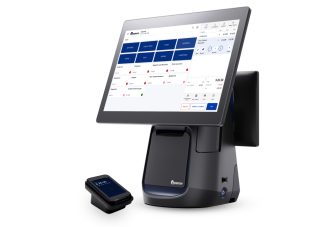
Every successful pub needs a great POS system backing it up. This technology processes sales, while tracking inventory, generating reports, and provides a central hub for your entire operation.
Epos Now systems provide the perfect example of this and are a great investment for any business. They’re quick to set up, intuitive to use, and do more than simply logging sales. POS systems like Epos Now can:
-
Track stock and wastage, process purchase orders, and report on product performance
-
Integrate with an in-house payment provider (Epos Now Payments) or third-party for integrated card and ewallet payments
-
Monitor staff behaviour and track shift times and payroll
-
Integrate with loyalty programs, booking software, online and delivery ordering, and accounting programs like Sage and Xero.
-
Plus, with detailed business reporting and a cloud-based system, it lets you track your pub or bar from anywhere!
Supplier relationships
Reliable suppliers are just as important as good technology. You’ll need to decide where you’re getting your stock from and build strong relationships with drinks wholesalers, food suppliers, and service providers. Look for consistency, fair pricing, flexible delivery schedules, and clear communication, which all help in the short and long term. You’ll want to compare suppliers regularly and negotiate terms as your volumes grow. Good supplier partnerships help protect margins, ensure quality, and keep your pub running smoothly, even when things get busy.
Step 9: Hire and train staff
Once the other steps are complete, you can start thinking about who you want on your team. Begin by assessing your needs based on your size, concept, forecasts, and predicted trading patterns.
A small, wet-only pub will need a manager, plus one or two bartenders on shift, depending on how busy you are. This should be enough to keep wait times short and service quality high. The goal should be one bartender for no more than 50 customers, even at peak times. If you’re food-led, however, you’ll need to add two or three kitchen staff, including a chef and at least one assistant per service period.
You’ll need to decide whether you want full-time or part-time hire. Full-time teams tend to be more consistent and are more loyal to the business, but part-time teams offer more flexibility and cover during sickness or annual leave.
Don’t forget to consider staffing for cleaners or porters and security staff if you’re expecting to be very busy or open late.
Training and employment law
If you want your team to be worth the money you pay them, it’s essential to invest in their training. This isn’t just good business practice, though; it’s also a legal requirement. Staff handling food or alcohol need to be trained to do so responsibly under the Licensing Act of 2003. Formal certificates aren’t necessary for every role, but you must demonstrate knowledge and compliance during inspections. You’re also responsible under the Health and Safety at Work Act 1974 to provide safe systems (PAT testing on electronics, for example), equipment training, and proper supervision.
In addition to legal compliance, you can develop your own practices and policies to maximise service quality and improve the customer experience. Whether that’s product knowledge so you can upsell and offer promotions, or simple but effective approaches to services, like encouraging your team to learn the names of returning customers.
Step 10: Market your pub launch
It’s crucial at every stage of opening: before, during, and after, to build awareness, attract customers, and encourage repeat visits.
Pre-launch, focus on creating a strong digital presence. Set up social media accounts, a professional website, and Google My Business listings, and reach out to local press and influencers to generate some buzz.
At launch, consider a soft opening for friends, family, and local stakeholders to allow anything you’ve missed to go wrong so you can correct it for the grand launch. Then host a big opening event with special promotions and an event to draw in the wider community.
Ongoing marketing should keep your pub visible: post regular social content, maintain an email list, run loyalty programs via your POS system, host events, and collaborate with local businesses.
Never underestimate word-of-mouth either. Friendly service creates bonds and gets people talking; a memorable atmosphere and a consistent offer turn first-time visitors into loyal advocates, who are often more valuable than any ad campaign.
Common challenges & how to overcome them
-
High startup costs. Consider beginning with a tenancy or smaller wet-led venue to reduce upfront investment.
-
Licensing delays. Start your licence applications early and track responses so you don’t hold up your opening.
-
Staff recruitment. Offer competitive wages, a strong workplace culture to attract and retain talent.
-
Stock wastage. Use your POS system to track stock and sales patterns, and optimise ordering to reduce waste, alongside policies that balance efficiency of service with minimal spillage.
-
Seasonal quiet periods. Plan events, themed nights, or diversified revenue streams (food, quizzes, live music) to smooth seasonal dips and keep customers close.
-
Cash flow in early months. Budget at least six months of working capital to weather slower trading while you build up a customer base.
-
Competition from supermarkets. Focus on experience, atmosphere and community, things people can’t replicate at home or in a store.
Market realities
For those thinking about how to open a bar UK-wide, the industry does face structural pressures like rising costs and closures, but 74% of operators still feel optimistic about their business outlook at the end of 2025. Typical net profit margins for pubs still sit around 10–15% when well managed, showing there’s plenty of opportunity out there. Seasonal swings in footfall are inevitable, and staff recruitment remains a challenge.
Nevertheless, 47% of operators expect increased footfall in the next year and showing that opening a pub UK-wide is still an achievable, potentially profitable venture.
Conclusion
The UK’s pub culture has proven time and again that it’s resilient, adaptable, and deeply valued within the community, even in challenging economic conditions. Like any business, opening a pub or a bar isn’t easy, but for those who plan well, it can be both financially and personally rewarding.
The key takeaways are simple: build a solid business plan, get licensing and legal requirements early on, then set a realistic budget, choosing the right business model, and staying relentlessly focused on the customer experience.
With careful preparation and a long to-do list, you can expect your pub or bar project to take 9 months to a year to come to fruition. But don’t be put off; take it step by step, stay flexible, and you’ll give yourself the best possible chance of success behind the bar.
Frequently asked questions
- How much does it cost to open a pub?
-
If you’re wondering how to open a pub, you should know the costs can vary widely. Small pubs can open for £50k–£150k, medium venues typically need £150k–£400k, and large pubs or freeholds can exceed £1m, depending on location, size, and fit-out.
- What licences do I need?
-
You’ll need a Premises Licence and a Designated Premises Supervisor with a Personal Licence. Additional licences may include music (PPL/PRS), food hygiene registration, and TV licences.
- Can I open a pub with no experience?
-
Yes, but it’s harder. Many first-time operators succeed through training, hiring experienced managers, or starting with a tenancy or managed agreement.
- How long does it take to open?
-
Most pubs take 9–12 months from planning to opening, including licensing, funding, and fit-out.
- Tied house vs free house?
-
Tied houses have lower entry costs but limited supplier freedom. Free houses offer full control and better margins, but require more capital and experience.
- Are pubs profitable?
-
Well-run pubs typically achieve 10–15% net profit margins, though results vary by concept, location, and cost control, and this is unlikely to be the case in your first year.
- What is the average pub owner salary?
-
Many owners earn £25k–£50k per year, with higher earnings possible in successful venues or multi-site operations.
- Do I need a personal licence?
-
At least one person, usually the manager, must hold a personal licence to authorise alcohol sales.
- How important is a POS system?
-
Extremely. A POS system manages payments, stock, staffing, reporting, and compliance, and is vital for efficiency and profitability.
- What’s the biggest mistake new owners make?
-
Undercapitalising, which means not allowing enough cash for the first 3–6 months while the business builds steady trade. Don’t expect to be rolling in the cash immediately after opening.