Restaurant Staff Duties and Responsibilities
Welcome to the dining room, where the food is hot, the drinks are cold, and the staff is sizzling! The restaurant industry may seem like all fun and games, but there's a lot that goes on behind the scenes to ensure that every customer has a fantastic experience. One of the most important factors in running a successful restaurant is having a great team, and that's where job descriptions come in.
As the saying goes, "If you fail to plan, you plan to fail." That's why having clear job descriptions for each position is crucial for running a tight ship. Not only do they help keep everyone on the same page, but they also ensure that each staff member knows their duties and responsibilities.
So let's dig in and explore the world of restaurant job descriptions! Whether you're a seasoned veteran or a fresh-faced newbie, there's always something new to learn about the various roles that make up a restaurant team. So grab a cup of coffee (or a glass of wine, we won't judge), and let's dive in.
Understanding restaurant hierarchy and structure
Before we dive into individual job descriptions, it helps to understand how a restaurant is structured as a whole (I mean, you wouldn't start putting in an engine before designing your car, right?). A well-run restaurant relies on a clear hierarchy that defines responsibilities, reporting lines, and how teams work together. This structure keeps service smooth, food consistent, and everyone focused on specific tasks, even during the busiest shifts.
Most restaurants are divided into two core units: front of house (FOH) and back of house (BOH). While these teams have very different day-to-day responsibilities, they are equally important, two halves of a whole, and must work closely together to deliver a great guest experience.
The front of house includes all customer-facing roles. This is where first impressions are made, orders are taken, drinks are poured, and guests are looked after from start to finish. FOH staff focus on service, communication, and creating the overall atmosphere of the business.
Meanwhile, the back of house operates behind the scenes, handling food preparation, cooking, cleaning, and kitchen organization. BOH staff focus on timing and quality of the courses, food hygiene and safety, and consistently providing great food.
Chain of command in a restaurant
The heavy weight in the restaurant hierarchy is, unsurprisingly, the owner, followed by the general manager (these may be one and the same) who oversees the entire operation. Reporting to them are department leaders on both sides:
-
FOH chain of command: General Manager → Front-of-House Manager / Restaurant Manager → Assistant Manager → Hosts, Servers, Bartenders
-
BOH chain of command: General Manager → Executive Chef → Sous Chef → Line Cooks / Prep Cooks → Dishwashers
Variations in restaurant structure
It's very common for restaurants of every size to follow their own structure, with extra roles beyond those listed above, or roles not filled (smaller restaurants won't need as many levels in their hierarchy as larger enterprises). Roles may be combined or adapted to suit the skills of staff members. The same manager may oversee FOH and BOH teams, and certain cuisines may need specialised restaurant positions.
It's also worth mentioning that in the hospitality industry, where the rate of staff turnover is high, experience will naturally move people up the hierarchy even if their roles don't change. Experienced team members can offer leadership and possess knowledge about how the business operated which they can share with newer colleagues.
Now, let's look at restaurant staff roles in more detail, starting at the top!
The management mavens
Ah, the folks in charge. The ones who keep the wheels turning, the plates spinning, and the customers happy. The restaurant managers and assistant managers are the heart and soul of any successful restaurant, ensuring that the staff operates at their best and that every customer has an exceptional dining experience.
Restaurant manager
The restaurant manager, or general manager, is the boss. Restaurant manager duties include overseeing all aspects of the restaurant, from the front of house to the back of house. They are responsible for ensuring everything runs smoothly, customers are happy, and the staff are both happy and effective. To be an excellent restaurant manager, you need to be a master of multitasking, delegation, and motivation. Here are some key skills for the role:
Restaurant manager duties:
-
Oversee daily restaurant operations, ensuring smooth coordination between front-of-house and back-of-house teams
-
Recruit, hire, train, and onboard new staff members to maintain service and operational standards
-
Create, manage, and adjust staff schedules to ensure adequate coverage while controlling labor costs
-
Lead, motivate, and support staff through clear communication, coaching, and performance management
-
Monitor customer satisfaction, handle guest feedback, and resolve complaints promptly and professionally
-
Ensure consistent delivery of high-quality food, beverages, and service that align with the restaurant’s brand
-
Manage inventory levels, place supply orders, and reduce waste through effective stock control
-
Track sales performance and key metrics using reports from the restaurant POS system
-
Control operating costs, including food, beverage, and labor expenses, balancing them with the menu pricing to keep the business profitable
-
Maintain compliance with health, safety, and sanitation regulations at all times
-
Collaborate with chefs and kitchen leadership to support menu execution, pricing, and promotions
-
Oversee cash handling, payment processing, and end-of-day reconciliation and finance management to prevent discrepancies
Restaurant manager key skills:
- Strong leadership and management skills
- Excellent communication and interpersonal skills
- Thorough knowledge of the foodservice industry
- Ability to multitask and work under pressure
- Strong problem-solving and decision-making skills
Assistant manager
The assistant manager is the right-hand person to the restaurant manager. They help manage the staff, ensure customer satisfaction, and handle any issues that arise. They are the ones who keep everything running smoothly when the manager is busy with other tasks.
Assistant manager job description:
- Assist the restaurant manager in overseeing daily operations, including managing staff, inventory, and customer service
- Help to create schedules and manage labor costs
- Monitor and manage inventory, including ordering supplies as needed
- Ensure that the restaurant is running smoothly and efficiently
- Maintain and enforce health and safety standards
Assistant manager key skills:
- Strong communication and interpersonal skills
- Thorough knowledge of the foodservice industry
- Excellent organizational skills and attention to detail
- Ability to work under pressure and multitask
- Strong problem-solving and decision-making skills
Front-of-house superstars
The front of house team is the dream team of any restaurant, responsible for creating an unforgettable dining experience for every customer. From the moment the customer walks in, the host or hostess greets them with a friendly smile and escorts them to their table. The restaurant server takes over from there, guiding them through the menu and ensuring their every need is met. And who can forget the bartender, who mixes up delicious drinks and keeps the good times rolling? Front of house roles require unique skills, but all require excellent customer service and a passion for the foodservice industry.
Host/hostess
The host or hostess is the face of the restaurant, the first point of contact for every customer. They need to be able to multitask, communicate effectively and have a positive, upbeat attitude that sets the tone for the entire meal. They are responsible for ensuring customers feel welcome and comfortable, managing the flow of the restaurant, and keeping everyone happy.
Host/hostess job description:
- Greet customers as they enter the restaurant dining room with a warm, friendly smile
- Escort customers to their tables and present menus
- Manage the flow of the restaurant to ensure everyone has a great experience
- Answer phone calls and take reservations
- Communicate with the kitchen and servers to ensure the timely and efficient delivery of food
- Keep the restaurant clean and presentable
Host/hostess key skills:
- Excellent communication skills to interact with customers, kitchen staff, and servers
- The ability to multitask and manage the flow of the restaurant
- A positive, upbeat attitude to create a welcoming atmosphere for customers
- Strong problem-solving skills to handle any issues that may arise
- The ability to work in a fast-paced environment while maintaining attention to detail
- A professional demeanor and a well-groomed appearance
Restaurant server
The restaurant server is the heart and soul of the dining experience. Server responsibilities include making sure customers have a great time, from taking orders to delivering food and drinks to ensuring every need is met. They need to have a strong knowledge of the menu, excellent communication and customer service skills, and the ability to work in a fast-paced environment.
Restaurant server responsibilities:
-
Greet customers as they are seated with a warm, friendly smile
-
Guide guests through the menu, explaining dishes, ingredients, and preparation methods
-
Make informed recommendations based on customer preferences, dietary restrictions, and allergens
-
Accurately enter food and beverage orders into the point of sale (POS) system
-
Communicate clearly with kitchen and bar staff to ensure orders are prepared correctly
-
Deliver food and drinks promptly, ensuring correct presentation and proper temperature, following food safety, hygiene, and service standards at all times
-
Monitor tables throughout the meal to anticipate guest needs and provide timely service
-
Address customer concerns or complaints quickly and escalate issues to management when necessary
-
Process payments accurately, including cash, card, and digital transactions, and handle billing adjustments, split checks, and refunds in line with restaurant procedures
-
Maintain cleanliness and organization of tables, service stations, and dining areas
Restaurant server key skills:
- Excellent communication skills to interact with customers, kitchen staff, and other servers
- In-depth knowledge of the menu and the ability to make recommendations based on customer preferences and dietary restrictions
- The ability to work in a fast-paced environment and maintain a positive attitude under pressure
- Strong problem-solving skills to handle any issues that may arise
- A professional demeanor and a well-groomed appearance
- Attention to detail and the ability to handle multiple tasks at once
Bartender
The bartender is the life of the party. They are responsible for creating delicious drinks that keep the good times rolling all night. They need to have a strong knowledge of drink recipes, the ability to work quickly and efficiently, and excellent customer service skills.
Bartender job description:
- Greet customers in a welcoming and friendly manner
- Take drink orders and make recommendations based on customer preferences
- Prepare and serve drinks quickly and efficiently
- Keep the bar area clean and well-stocked
- Handle cash and credit card transactions and use hospitality POS for payment processing services
- Create an engaging atmosphere for customers
Bartender key skills:
- In-depth knowledge of drink recipes and the ability to create innovative cocktails
- The ability to work quickly and efficiently in a fast-paced environment
- Strong communication skills to interact with customers and other staff members
- Great customer service skills to create a lively and enjoyable atmosphere
- The ability to handle cash and credit card transactions accurately and efficiently, including using restaurant POS for payment processing services
- Attention to detail to ensure the bar area is clean and well-stocked
Busser
The busser supports the front-of-house team, keeping the dining area clean, organized, and ready for incoming guests. This role helps servers work efficiently by ensuring a polished and welcoming environment for customers and letting them focus on the customers themselves.
Busser job description:
-
Clear and reset tables quickly between guests
-
Assist servers by refilling water, delivering bread, or running small items
-
Keep dining areas, service stations, and restrooms clean and stocked
-
Dispose of trash and transport dirty dishes to the dishwashing area
-
Support hosts with table setup and guest flow as needed
-
Communicate with servers about table status and guest needs
-
Follow cleanliness and sanitation standards at all times
Busser essential skills:
-
Ability to work quickly and efficiently in a fast-paced environment
-
Strong attention to cleanliness and organization
-
Physical stamina for lifting, carrying, and standing for long periods
-
Team-oriented attitude, willingness to assist others, and adapt
Food runner
The food runner acts as the critical link between the kitchen and the dining room, ensuring dishes reach guests quickly and accurately. Their role helps maintain food quality and supports both servers and kitchen staff during service.
Food runner job description:
-
Deliver food from the kitchen to tables quickly and accurately
-
Verify dishes for correct presentation and completeness before delivery
-
Announce dishes to guests and confirm special requests or dietary notes
-
Communicate with servers and expeditors about order timing and changes
-
Assist with table clearing and resetting during peak periods
-
Help maintain cleanliness in service areas and pass-through stations
-
Support overall service flow during busy shifts
Food runner essential skills:
-
Excellent communication and teamwork skills
-
Ability to move quickly while maintaining accuracy
-
Strong attention to detail
-
Professional and guest-friendly demeanor
The expectations are high at a fine dining restaurant, but with the right team in place, anything is possible. A team of front-of-house superstars who work together, communicate well, and share a passion for creating an exceptional dining experience is what makes a restaurant stand out. So whether you're a host, server, or bartender, remember that the key to success is brilliant customer service and a love for the foodservice industry.
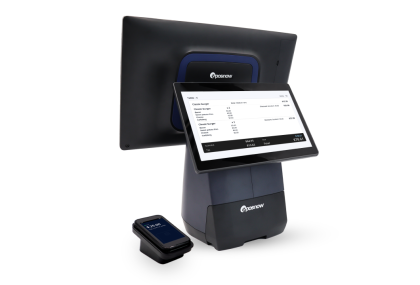
Restaurant POS System
Evolve your hospitality business using the power of POS system technology.
The brilliant back-of-house team
The back-of-house team is the backbone of any restaurant. They work behind the scenes, ensuring that the food is prepared to the highest standards and served at the right temperature. The chefs, line cooks, and dishwashers work together to create a seamless dining experience for the customers. Here are the different roles in the back of house team:
Executive chef or kitchen manager
The kitchen manager is the leader of the back-of-house team. They're responsible for creating the menu, managing inventory, and ensuring that the food is prepared to the highest standards. The executive chef needs to have a deep understanding of food and excellent leadership and communication skills.
Executive chef job description:
- Creating and updating menus based on seasonal availability and customer preferences
- Managing inventory and food costs
- Scheduling kitchen staff and managing labour costs
- Ensuring that all food is prepared to the highest standards and meets all health and safety regulations
- Supervising and training kitchen staff
- Collaborating with front of house staff to ensure a seamless dining experience for guests
-
Collaborating with management and chefs to continually improve operations and food quality
Executive chef key skills:
- Culinary expertise: Executive chefs must have a deep knowledge of cooking techniques and ingredients and be able to create innovative and delicious dishes that meet the required ability and expectations of the restaurant's target audience
- Leadership skills: As the head of the kitchen, the executive chef must be able to effectively manage and motivate a team of kitchen staff to work together towards a common goal
- Communication skills: The executive chef must be a team player who is able to clearly and effectively communicate with both front-of-house staff and kitchen staff to ensure that the dining experience runs smoothly for customers
- Business acumen: The executive chef must have a strong understanding of the financial aspects of running a busy restaurant, including inventory management, cost control, and profitability
- Attention to detail: In the fast-paced environment of a restaurant kitchen, the executive chef must be able to multitask and pay close attention to every detail to ensure that every dish is perfectly prepared
Sous chef
The sous chef is a highly skilled chef who serves as the second-in-command in a kitchen, ranking just below the head chef. In large kitchens, the sous chef is responsible for managing and overseeing the kitchen staff on behalf of the head chef, who may be occupied with other tasks such as menu planning or ordering supplies. The sous chef plays an essential role in ensuring that the food is prepared to the highest standards and that the kitchen operates smoothly and efficiently.
Sous chef job description:
- Oversee and manage the kitchen staff in the absence of the head chef
- Ensure that all dishes are prepared to the highest quality and served in a timely manner
- Assist the head chef in developing new menu items and recipes
- Manage inventory and ensure that all necessary ingredients are on hand
- Train and mentor new kitchen staff as needed.
- Enforce food safety and sanitation standards
Sous chef key skills:
- Strong leadership and communication skills
- Extensive knowledge of cooking techniques and styles
- Ability to work well under pressure in a fast-paced environment
- Excellent problem-solving skills
- Strong attention to detail
- Proficiency in kitchen equipment operation and maintenance
- Knowledge of inventory management
- Familiarity with kitchen safety and sanitation standards
Line cook
The line cook is responsible for the preparation of menu items during service. Working at a specific station "on the line", line cooks ensure all manner of dishes are executed consistently, quickly, and is responsible for maintaining the restaurant standards, especially during peak periods.
Line cook job description:
-
Prepare and cook menu items according to restaurant standards, following recipes closely
-
Operate a designated station (grill, sauté, fry, or prep) during service
-
Ensure food is prepared quickly but without compromising on quality
-
Maintain a clean, organized, and stocked workstation
-
Follow food safety, sanitation, and hygiene regulations
-
Communicate with the kitchen team to work in coordination with orders
-
Assist with prep work, restocking, and closing duties as needed
Line cook essential skills:
-
Strong knowledge of cooking techniques and kitchen equipment
-
Ability to work under pressure in a fast-paced environment
-
Excellent time management and attention to detail
-
Teamwork and clear communication skills
Prep cook:
The prep cook is responsible for preparing the ingredients that are used in the dishes. They need to have excellent knife skills and be able to work efficiently. The prep cook must also have a strong food safety and sanitation knowledge.
Prep cook job description:
- Preparing ingredients for cooking, including washing, peeling, and chopping
- Measuring and mixing ingredients for recipes
- Maintaining a clean and organized work area
- Adhering to food safety and sanitation regulations
- Assisting with inventory management
Prep cook key skills:
- Strong knife skills and knowledge of food preparation techniques
- Ability to work efficiently and quickly
- Attention to detail and accuracy in measuring ingredients
- Knowledge of food safety and sanitation regulations
- Ability to work well in a team environment
Dishwasher
The dishwasher is responsible for keeping the kitchen clean and organized. They need to be able to work quickly and efficiently, as well as have strong communication skills to work with the rest of the back of house team.
Dishwasher job description:
- Operating the dishwasher to clean and sanitize dishes, utensils, and other kitchen equipment
- Scrubbing pots and pans to remove any food or debris before putting them in the dishwasher
- Restocking clean dishes, glassware, and utensils in the appropriate storage areas.
- Keeping the dishwashing area clean and organized
- Assisting with kitchen cleaning and other duties as assigned
Dishwasher key skills:
- Ability to work in a fast-paced environment and multitask effectively
- Attention to detail and commitment to maintaining a high level of cleanliness
- Physical stamina to stand for long periods of time and lift heavy objects
- Good communication skills to work effectively with other members of the kitchen team
- Willingness to work flexible hours, including evenings, weekends, and holidays
Expeditor
The expeditor (or expo) plays a key role in communicating between the kitchen and front-of-house teams, ensuring orders are accurate, complete, and delivered at the right time to maintain service flow.
Expeditor job description:
-
Coordinate the timing and flow of food orders during service, passing key information from one team to another
-
Inspect dishes, checking the order is correct and ensuring quality of the food before it leaves the kitchen
-
Communicate order status clearly to servers and kitchen staff
-
Prioritize tickets to maintain efficient service pacing
-
Handle special requests and dietary modifications accurately
-
Support chefs and line cooks during peak service periods
-
Maintain cleanliness and organization at the expediting station
Expeditor essential skills:
-
Strong communication and multitasking abilities
-
Excellent attention to detail
-
Ability to stay calm under pressure
-
Solid understanding of menu items and kitchen operations
The back-of-house team is critical to the success of a fine dining restaurant. They work tirelessly behind the scenes to ensure that the food is prepared to the highest standards and served at the right temperature. The chef, line cook, prep cook, and dishwasher all play essential roles in creating a seamless customer dining experience. Each role requires different skills, from leadership and communication to knife skills and attention to detail. Together, the brilliant back of house team creates the foundation for a successful restaurant.
How can a restaurant POS system help?
A restaurant POS system can help your team in several ways, including:
- Faster order processing: A POS system allows servers to take orders directly on a tablet or mobile device, which can be sent straight to the kitchen for quicker preparation and delivery
- Enhanced accuracy: With a POS system, orders are automatically recorded and tracked, reducing the risk of errors and ensuring that all items are prepared and served as requested
- Improved communication: A POS system provides real-time updates on order status, so servers and kitchen staff can stay informed and work together more efficiently
- Streamlined payments: Many POS systems offer integrated payment processing services, which can speed up the checkout process and reduce errors
- Data analysis: A POS system can generate detailed reports on sales, inventory, and other key metrics, providing valuable insights into business performance and helping managers make informed decisions
By using a restaurant POS system, your restaurant staff can work more efficiently, provide better customer service, and gain valuable insights into your business operations.
TIP: Check out our best pos system for a restaurant blog today!
Serving up our final thoughts
Well, folks, there you have it - a breakdown of the many restaurant positions. From the front-of-house superstars to the brilliant back-of-house team and the management mavens, every role plays a crucial part in ensuring customers have a fantastic dining experience.
It's not just about serving food and drinks; it's about creating an atmosphere and an experience that leaves customers wanting more. Each role is important in its own way, and it takes a true dream team to make everything come together.
If you're interested in joining the ranks of restaurant staff, as a server, host, or sous chef, make sure you check out some more restaurant job descriptions online to see if you have what it takes to thrive in this fast-paced industry.
Remember, excellent customer service, communication skills, and a positive attitude are the keys to success in the restaurant industry. So if you're ready to work hard, have fun, and be part of a team that creates unforgettable customer experiences, then the restaurant industry might just be the perfect fit for you.
For more information on how to launch, run and promote your restaurant business, check out our additional resources below:
Frequently asked questions
- What are the different positions in a restaurant?
-
Common restaurant roles that tend to make up the structure of a team include front of house (FOH) roles such as:
- Hosts
- Servers
- Bussers
- Bartenders
- Barbacks
- Managers and assistant managers
And back of house (BOH) roles such as:
- Executive chefs or kitchen managers
- Sous chefs
- Line cooks
- Prep cooks
- Dishwashers
- What is restaurant hierarchy?
-
Restaurant hierarchy is simply the structure the restaurant follows which determines who completes which tasks, who reports where, and how responsibilities are divided. Beginning with managers, who oversee team members from supervisors which tend to split into front-of-house and back-of house roles.
- What is front of house vs back of house?
-
Front of house (FOH) includes all customer-facing roles, such as hosts, servers, bartenders, and food runners. Back of house (BOH) refers to the kitchen team, including chefs, line cooks, prep cooks, and dishwashers. While FOH focuses on service and guest experience, BOH focuses on food preparation, quality, and safety. But both work closely together to provide the guest with an experience to remember.
- What does a line cook do?
-
A line cook prepares and cooks menu items during service while working at a specific kitchen station, such as grill or sauté. They follow recipes, maintain food quality, and ensure dishes are prepared quickly and consistently.
- Do I need separate management for FOH and BOH?
-
Not always. Smaller restaurants often have one manager overseeing both FOH and BOH operations. Larger or high-volume restaurants often benefit from separate management, such as a restaurant manager for FOH and an executive chef or kitchen manager for BOH, who then report to the owner or general manager. This separation allows for more focused leadership while still requiring strong communication between both teams.
- What roles are essential in a restaurant?
-
Not every role you've seen here is in every restaurant. Especially in smaller businesses, duties tend to be split between however many staff are available. However, a head chef is essential (even if they are the only chef), and a waiter is essential, who can host and serve as one. As restaurants grow, they'll add helpful roles like dishwashers and bartenders, which then split the BOH and FOH into separate areas, each with someone managing smaller spaces like the bar and sink.
Want to learn more about how our hospitality POS can help you better manage your restaurant staff? Contact us today!