How Retailers Use Real-Time Data to Drive Growth & Profits
What if you could see that demand spike before it happens? This would help you prepare beforehand. That’s why real-time is critical for modern retailers.
In fact, during Black Friday 2025, U.S. online sales reached a record $18 billion, and retailers that could react quickly to what shoppers were doing at that time captured the most value.
This trend also underscores the growing importance of consumer trust and safety in online marketplaces — especially on fast-growing platforms like TikTok Shop, where real-time engagement directly influences buyer decisions.
Real-time data is creating the difference between guessing what’s happening in your business and knowing what could happen. This helps improve customer experiences and increase profit margins.
In this article, we look at real-time data in the retail industry and how retailers can utilise it to drive growth and increase profits.
What Is Real-Time Data in Retail?
Real-time data means insights that are generated as events occur. Things happen in ‘now’. Consider it like watching live traffic on a map. Only the live view lets you respond instantly.
In a retail context, real-time data might include:
-
Inventory levels that update instantly when a product is scanned at checkout, ensuring every invoice reflects the latest stock movement.
-
Customer browsing behaviour on your website or app is shown as it happens.
-
Point-of-sale trends that reveal what’s selling and what isn’t.
-
Customer support interactions that show sentiment and satisfaction as feedback arrives, not after you receive a weekly report.
Traditional reports used to be updated every day or weekly. Those reports told you what happened, but real-time data tells you what’s happening.
For example, a traditional report might tell you that blue sneakers sold a lot last week. Real-time data tells you that right now, blue sneakers are sold at a huge scale, and you’re about to run out. This gives you a chance to restock before sales drop.
How Retailers Use Real-Time Data to Drive Growth
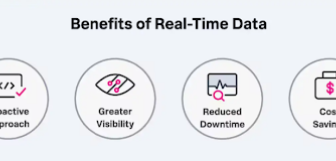
Real-time data shapes accurate decisions to increase sales and profits. Here’s how:
1. Supercharge Customer Experiences With Instant Personalisation
Personalisation in retail is no longer about tailoring offers after the fact. Customers expect brands to respond while decisions are still in motion. Relevance depends on timing, and timing depends on real-time data.
When demand rises, customer interactions rise with it. Calls about deliveries, order updates, or store availability often increase at the same time as sales activity. If response levels fall during these periods, the experience becomes uneven and customers feel the difference immediately.
Retailers that see this activity in real time use an AI answering service to handle the initial wave - acknowledging calls as they arrive, answering routine questions with current information, and routing exceptions to staff before queues form. Many retailers run this through communication platforms like Nextiva, where real-time demand visibility and automated response work together to keep service levels from slipping.
At this level, personalisation is less about messaging and more about continuity. Customers get answers when they need them, and retailers protect the flow of demand without adding unnecessary overhead or slowing operations.
These platforms can also integrate an ai note taker that captures live customer conversations, summarizes key points, and updates customer records automatically, ensuring support teams always have accurate context in real time.
Retail teams can see customer history, intent, and sentiment the moment an interaction begins. This reduces resolution time and removes the need to switch between tools. Similarly, built-in automation helps route issues, trigger follow-ups, and support agents during peak demand. The result is faster responses and more consistent experiences across every channel.
2. Avoid Stockouts and Overstock With Accurate Inventory Visibility
The brand experience of users becomes worse when they find a sold-out sign on a trending product they want to buy. Real-time inventory tracking helps you see the amount of stock available across stores and warehouses.
When you observe that your stock level for a product is low and the demand for that product is increasing, then you can send an alert. The tool will automatically reorder stock or reallocate products from the store locations where they are not being sold. This real-time visibility also helps accounting services track Cost of Goods Sold (COGS) accurately and reconcile inventory values instantly, critical for financial reporting and tax compliance.
For growing retail businesses, working with finance and accounting support for inventory-driven retailers helps ensure inventory movements, cost tracking, and revenue data stay accurate as real-time systems scale across multiple locations.
When Walmart rolled out ambient IoT sensors at scale, they tracked inventory location and conditions in real-time. This helped operations teams improve accuracy and reduce the game of guessing: whether to restock or not.
3. Make Pricing Nimble and Competitive
Real-time sales and market data help with dynamic pricing. This means that AI tools can adjust prices based on demand, competition, inventory levels, or customer preferences.
Take the example of a smart pricing engine that sees a downward trend in sales for a particular item. Now, to sell this product, what it will do is that it will automatically apply a discount to increase purchases of the items. That’s the power of real-time visibility.
4. Respond to Customer Behaviour As It Unfolds
What if you could know when customers abandon carts, struggle at checkout, or express frustration in a chat? Real-time analytics make that possible. These analytics provide the necessary triggers to deploy effective cart abandonment solutions immediately
You can use these signals to provide instant support. Let us say that a customer is struggling with the checkout process and hesitates to buy. So, you can instantly offer him live chat support that helps with the checkout process and solves related queries.
5. Improve Store Operations With Instant Visibility
Real-time data also improves store management. Managers get dashboards showing foot traffic, sales per hour, staffing needs, and more.
That level of responsiveness can improve customer satisfaction and reduce operational costs, especially when customer engagement is enabled through QR access built using a qr code generator.
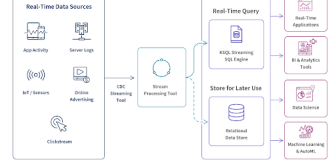
Best Practices for Leveraging Real-Time Data
Real-time data can drive growth only if you use it the right way. Here’s how top retailers make the most of their investment:
1. Choose Tools That Feed You the Right Data at the Right Time
All platforms are not equally created. Look for solutions like Windsor.ai that integrate data automatically across sales channels, customer touchpoints, and operational systems. Also, ensure that they deliver live results.
Choose a platform that shows customer conversations, behaviours, and preferences in one place. This gives a complete view of customers and helps you understand their behaviour.
2. Align Teams Around a Single Source of Truth
A retail business is successful when there is alignment between marketing, sales, support, and operations.
Instead of each team using different data, create a centralised real-time dashboard that everyone can use.
Gathering data into a centralized system ensures that decisions aren’t made on outdated reports or fragmented data, which is easier to achieve with a restaurant management software.
Using these dashboards, teams can make quick decisions to maximise results.
3. Secure Real-Time Data as It Moves
For real-time insights to be reliable, retailers need to keep data continuously and securely synchronised across systems.
Instead of letting inventory, sales, and customer activity exist in separate platforms, use real-time data replication to maintain consistent copies across point-of-sale systems, ecommerce platforms, and analytics tools.
Keeping live data up to date ensures teams act on accurate information, reducing gaps, inconsistencies, and the risk of decisions based on outdated or incomplete data—especially during peak demand periods.
4. Train Teams to Act On Insights, Not Just Watch Them
Taking proper actions on the insights derived from data is what creates maximum impact.
Ensure that your teams have guides that outline what to do when certain alerts are flagged. For example:
-
If inventory drops below a threshold in one location, then send an alert to transfer the order.
-
If cart abandonment rises above a certain level, then offer a limited-time discount.
-
If customer sentiment drops during peak hours, assign more support staff.
This kind of actionable readiness turns information into outcomes.
5. Make Real-Time Data Accessible and Visual
Ensure that the real-time data is accessible to everyone.
The intuitive dashboards, alerts sent by tools, and visual indicators help the non-technical staff to make decisions quickly, which will generate great results. This reduces the need for analysts to interpret complex data and create reports.
For example, consider visual wallboards that show current sales by department. This ensures store managers make staffing and display decisions that drive performance.
6. Review and Refine Regularly
Real-time insights change fast. And therefore, your strategies should be shaped accordingly to get the best results.
Analyzing your monthly performance of what the data has shown and how teams responded will help you refine your strategies and responses.
This is where retailers can learn from what worked and what didn’t without waiting for quarterly reports.
Turn Real-Time Insights Into Real Business Growth
Real-time data gives retailers the ability to act. We’ve seen how live insights help improve customer experiences, prevent stock issues, respond instantly to buying behaviour, and run more efficient operations. When data flows quickly, and teams know how to use it, growth becomes more predictable and profitability more sustainable.
The key is to use it to simplify sales, track inventory accurately, make confident decisions in the moment, and ensure your team stays connected with customers and each other. That’s where the right retail technology, including real-time communication platforms like Quo, makes all the difference.
If you want this kind of real-time visibility for your business, Epos Now can help. Simplify sales, track stock effortlessly, and grow faster without complexity. If you’re ready to turn live data into smarter decisions and stronger results, connect with Epos Now and see how it can work for your business.