How to Serve Food Correctly
Working as a server in a restaurant is all about making guests feel happy with their experience. Diners are not only paying for great food but also for excellent service. It is called the hospitality industry, after all.
The act of serving food is a major part of the restaurant experience, especially in fine dining establishments. Offering exceptional customer service is a great way to wow your guests and earn gratuities in the process.
In this blog, we’ve included a number of tips and tricks you can use to offer the best service at your job.
Types of service
Restaurants adhere to various models when it comes to the dining experience. There are many ways to serve guests, from counter-serve diners to opulent five-star restaurants.
Generally, most restaurants will follow one of these service models:
- Quick service: Popularized by fast food restaurants and other establishments, quick service is all about speed and convenience. A guest places their order, waits a few minutes at the counter, and leaves with their meal. Some quick service restaurants have a dining room, but not all.
- Fast-casual: Similar to quick service, a fast-casual restaurant will often take orders at the counter but have a dining room. Guests are usually given a table marker so the kitchen staff can deliver the meal. Sometimes, diners are given a buzzer to notify them when their food is ready at the counter.
- Casual dining: The standard for many restaurants, the casual dining experience focuses on great food and a good time at an affordable price. Guests are often seated by a host, and a server will take their meal orders. Then, the server will deliver the meals and periodically check in on the customers to ensure they are satisfied.
- Fine dining: The most refined level of service available, fine dining establishments provide unbeatable service in a high-class atmosphere. The customer experience includes outstanding hospitality, elegant decor, and tailored menus of unique, expertly-prepared meals.
For this guide, we will focus on food service in casual dining and fine dining restaurants. We will also imagine you have already seated the guest and sent their orders to the kitchen.
Types of Fine Dining Service
Fine dining restaurants often follow traditional service styles that originated in European hospitality. Each method, or national style, has specific techniques that affect how food is plated, presented, and delivered to guests, influencing the atmosphere, tone, and experience the guests have:
-
French service. Considered one of the most elegant and formal of the styles, French service involves presenting food tableside on platters or guéridon carts. Dishes may be finished, carved, or flambéed in front of the guest before being served. This method emphasizes showmanship, demonstrates skill and precision, and offers personal attention, but can be labor-intensive and is typically reserved for high-end establishments that can afford the production cost.
-
Russian service. In Russian service, fully cooked dishes are arranged on large platters in the kitchen and brought to the table. The server portions and serves each guest individually from the left using service utensils. This style is very formal, less elaborate, but simultaneously more efficient than French service, allowing guests to enjoy a refined experience without extensive tableside preparation.
-
American service. Also known as plated service, American service is the most common style in modern restaurants. Meals are portioned and plated in the kitchen, then delivered directly to each guest from the right. This is labor-friendly, quick and practical, making it ideal for both casual and fine dining environments while still maintaining a professional presentation.
-
Butler service. Butler service, sometimes called family-style or silver service variation, involves servers carrying trays or platters and allowing guests to serve themselves using provided utensils. The server may assist with positioning and presentation but does not portion the food. This style maintains a luxurious atmosphere, allowing guests to take their fill of food without compromising on class.
-
English service. Often referred to as family-style service, English service involves large serving dishes placed directly on the table for guests to pass and share. The host or head of the table may serve portions. The English style is less formal than other fine dining methods. Instead, it creates a warm, communal dining experience that works well for private events or banquets. Like butler service, it also allows people to take as much food as they desire.
Essential server qualities
Adaptability
Every shift is different, and no two tables are alike. Strong servers can adjust quickly to the many different characters and contexts in which guests arrive at a restaurant, from families with children to business diners, to people arriving in high or low spirits. Being flexible with pacing, tone, and conversational style helps you stay calm and be ready to meet guests where they're at, rather than expecting them to adjust to you. Adaptability also means staying positive and being ready to make adjustments during high-pressure moments so guests continue to receive attentive but consistent service.
Communication
Strong communicators are crucial in the hospitality industry. The best servers can ascertain and understand the requirements of guests, even when they seem out of the ordinary, and can relay them effectively to the kitchen team. They can keep service running smoothly by working out with the team who is doing what tasks, all while efficiently building a rapport with the guests. Confidence, charm, active listening skills, and clear speech are all a key part of a servers communication skillset.
Customer Connection
Building personal connections can be more effective at bringing guests back than any loyalty program. Connecting with what a guest is telling you verbally and physically is enough to help servers match their energy and provide everything they need, which can quickly make a guest feel comfortable and at home in your establishment. Handling requests and complaints professionally, with empathy and quick solutions, builds trust and can also turn a negative moment into a positive one that encourages guests to return, even if you didn't get everything right.
Picking up the meals from the kitchen
Kitchens are busy, noisy places. Even the best chefs make mistakes at times. Since first impressions matter, you want to ensure the orders are accurate before leaving the kitchen. Even if the back of house staff made a mistake, it would reflect poorly on you and the entire restaurant.
Make a habit of following this checklist:
- All meals are for the correct table
- All orders are accurate, including any substitutions
- Plates and bowls don’t have any defects
- Add additional cutlery such as steak knives and soup spoons
- Set condiments such as butter or sauces on the side
These small steps enhance customer service and can prevent you from sending food back to the kitchen or comping meals.
Gain all the advantages of a POS system with all the tools you need to trade, including:
- Easy-to-use software to speed up your checkout
- Scalable solutions for multi-site and multi-checkout setups, with flexible, mobile hardware options
- Upselling tools to help maximise every cover and keep your guests satisfied
- Choose a setup that suits you with software and hardware options
Server Soft Skills
Technical knowledge is important, especially in fine dining, but mastery of the soft skills of hospitality are what truly set great servers apart. These skills shape how guests perceive the restaurant just as much as technical execution of dishes and their presentation. They directly impact satisfaction, reviews, and gratuities. By refining these skills in your staff, you can create smoother shifts and consistently deliver standout service!
Customer greetings and building rapport
First impressions are famously hard to overcome. Aim to greet every table within 90 seconds of seating with a warm smile and confident introduction. A friendly tone with bright eye contact to match, and a quick explanation of specials or menu highlights help guests feel welcome and ready to indulge right away. Small touches, such as using names when possible or remembering returning customers, build rapport and encourage loyalty.
Time management and multi-tasking
Busy shifts can feel overwhelming: taking orders, pouring, and replenishing drinks; checking on tables (and tracking courses), and a million other small tasks require a server's attention. Combining tasks by, say, delivering drinks while checking on another table or clearing plates on your way back to the kitchen, can cut task times in half, minimise time spent dashing across the floor, and make the evening run smoothly. Staying organized reduces stress and prevents guests from feeling forgotten.
Upselling techniques
Upselling should feel helpful, not pushy. Recommend pairings like appetizers, specialty drinks, or desserts that genuinely enhance the meal. Describe items with enthusiasm and detail, and suggest upgrades naturally throughout the ordering process. Thoughtful recommendations improve the guest experience while increasing check averages. Badly timed upsells remind the guest of the customer/business dynamic, and make them less likely to spend.
Complaints handling
Mistakes happen, but how you respond matters far more. Listen and acknowledge the frustration of the customer without interrupting them or denying responsibility. Offer a sincere apology while remaining calm, and solution-oriented. This may mean replacing a dish, or fetching a manager. Professional but empathetic complaints handling can quickly rebuild a relationship with a customer, and turn a potentially volatile situation into an experience that brings the customer back to the business.
Tips for Earning Better Gratuities
-
Greet guests within 90 seconds of seating
-
Deliver drinks within 4–5 minutes of ordering
-
Check back within 2 minutes or a few bites after food arrives
-
Keep beverages topped up and clear finished plates promptly
-
Anticipate needs before guests have to ask, offering them the next course, a round of drinks, or deserts in a timely manner
-
Offer genuine menu recommendations and upsells
-
End every visit with a warm thank-you and friendly farewell
Consistent, attentive service not only solves problems quickly but also leaves guests feeling cared for, often resulting in higher tips and repeat visits.
Understanding Cutlery Etiquette
In many casual and fine dining settings, guests use their cutlery to silently communicate with servers. Knowing the meaning behind cutlery placement is crucial to efficient and professional server work. It allows servers to avoid interruptions and provide attentive service. So what does cutlery position indicate?
-
Resting position (knife and fork in an inverted “V” or apart on the plate): The diner is taking a break from eating but will resume, so leave the food!
-
Finished position (knife and fork parallel at 4 o’clock or 6 o’clock): The diner has finished their meal so you can clear the dish, even if there is food left.
-
Crossed utensils: Traditionally signals the diner is still eating or pausing briefly. Leave the setting undisturbed for now.
-
Knife and fork together at the top of the plate: Indicates the guest is waiting for the next course.
-
Napkin placed on the chair: The guest has only left their seat for the minute and intends to return, so avoid clearing their place.
Understanding these subtle cues helps you deliver seamless, respectful service without needing to interrupt your guests.
Placing meals on the table
Did you know that there is a right and wrong side to serve from? Perhaps your restaurant doesn’t abide by these traditions, but culinary traditions still matter to many guests.
Historically, meals were served from a communal tray. The waiter would scoop food from a plate or bowl and set it on an individual’s plate. Because of the logistics of doing this, it was proper to serve food from the left. Since most diners are right-handed, serving from the left was the least intrusive way of delivering food.
These days, however, almost all meals are presented on individual plates. The server only has to place it in front of the guest.
Remember, there are no hard and fast rules in the food service industry, unless you are in a fine dining establishment that sticks to traditions. Rather, you want to serve from the least-intrusive side.
In some cases, you might find yourself delivering from the left and right sides at the same time! If you have two plates in-hand, you can serve guests sitting opposite each other in one smooth motion.
When to serve from the left:
- Serving food from a shared platter, such as a Brazilian steakhouse
- Placing side dishes, such as rolls and salads
- Serving a booth or table that doesn’t have access on the right
When to serve from the right:
- Delivering meals pre-arranged on a single plate
- Placing drinks on a table
Serving wine
Wine is a favorite drink paired with dinner, but pouring wine is an art form in itself. Without the right technique, you can overfill a glass or accidentally spill it on a guest.
Follow these steps when serving wine:
- Gather your supplies: Be sure to bring the wine bottle, a wine glass for every guest, and your corkscrew. Keep in mind that some chilled wines require an ice bucket.
- Present the wine: As is tradition, be sure to present the wine bottle so the customer can confirm their choice. You will want to present the bottle’s label and verbally say the name, vintage, and any other details. Only open the bottle once they confirm.
- Offer a sample: The guest who ordered the wine will be the judge. After opening the bottle, place the cork in front of this person. Next, pour a tiny amount so the guest can taste the wine and swirl it in their glass. Once approved, you can begin pouring for the table.
- Pouring: Since wine glasses sit on the diner’s right side, you want to pour from the right. Otherwise, you will find yourself reaching over the customer’s plate. Even when dining with family, no one likes to feel someone in their personal space. After pouring for the first guest, walk clockwise around the table and fill each additional glass.
Clearing plates
No matter how you serve the food, you will always want to clear from the right side. Similar to how you pour wine, walk clockwise to pick up all remaining dishes.
In fine dining establishments, you do not want to stack plates on top of each other. Not only does this look messy, but it can lead to loud noises as glass clinks together.
Instead, set a tray on a nearby table out of sight. Here, you can stack your plates and efficiently take them to the kitchen.
Some general rules for serving
- Never touch a guest: Try your best not to bump into customers, especially when placing food. If you spill something, do not try wiping it off the guest.
- Never touch yourself: Appearances matter, so try to avoid touching your face or other body parts. If you must wipe off your hands, use a napkin or apron.
- Use open hand service: You should never reach over a guest or cross them at a perpendicular angle. Instead, serve from the left or right with the same hand. If serving from the left, use your left hand. If serving from the right, use your right hand.
- Serve food together: Bring appetizers, entrees, and desserts at the same time. Some guests order an appetizer as a meal, so it’s okay to ask if they want that first or with everyone’s meals.
- Don’t touch the rim of a glass: Carry all cups well below the top. This prevents the spread of germs and reassures guests that their glassware is clean. With wine glasses, only hold the stem.
Serve food better with the right point of sale
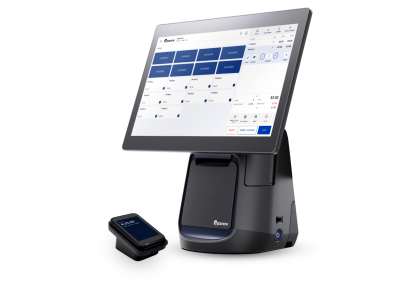
Customers hate waiting for their food, and nothing is worse for a diner than finally get their food only to see that their order is incorrect. Luckily, you can prevent these mishaps with Epos Now's POS solution.
Our electronic point of sales (EPOS or POS) are designed to drive profitability and make your life easier. We’re constantly striving to add new features to help restaurants and bars do business better.
With a modern restaurant POS, you can:
- Take orders tableside and send them to the kitchen
- Update your menu in real-time
- See what items are in-stock
- Accept all types of payment
If you’re interested in hearing more about Epos Now, get in touch with our expert team below.
Frequently asked questions
- Which side do you serve from?
-
In traditional table service, food is usually served from the guest’s left and beverages from the right. Serving from the left is said to let you place plates smoothly without crossing the guest’s personal space, while the right side is more convenient for pouring drinks.
- What is open hand service?
-
Open hand service means using the hand closest to the guest to serve or clear, rather than reaching across your body. The technique looks smoother, more professional, prevents awkward reaching, should help to reduce spills, improve safety while remaining respectful of personal space.
- Should you serve ladies first?
-
Traditionally, formal dining etiquette suggests serving women first, followed by men, and the host last. But this is not essential even in fine dining, as changing norms have begun to prioritise practicality, which can mean serving clockwise, anti-clockwise, or by seat-position. Restaurants can use their own policies or may respond to the guests' cues.
- How do you greet customers as a server?
-
Greet guests promptly (within 90 seconds of their seating) with a warm smile, eye contact, and a friendly but professional tone. Introduce yourself, welcome them, and offer immediate service with water or a first round of drinks as well as menus. A simple greeting like, “Good evening, welcome in, my name is XXX and I’ll be taking care of you,” sets a positive tone and builds rapport from the start.
- What are the steps of service?
-
Typical steps of service should follow this pattern:
- Greeting and seating guests
- Presenting menus and taking drink orders
- Taking food orders
- Delivering food
- Checking back for satisfaction
- Clearing courses and offering desserts or additional items
- Presenting the check and processing payment, and thanking guests for their visit